Frosted glass is clear glass that’s been treated so light still passes through, but images and shapes don’t. You get privacy without losing daylight. That’s the whole appeal in one sentence.
The “frosted” look comes from thousands of tiny, irregular scratches on the glass surface. Light hits those scratches and scatters in every direction instead of traveling straight through.
That scattering is called diffusion, and it’s why you can’t see a clear silhouette through frosted glass, even when it’s just inches away.
Frosted glass shows up everywhere: bathroom windows, shower doors, office partitions, front doors, kitchen cabinets, and even phone cases.
It sits in a sweet spot between a solid wall and a clear window you get light, but not exposure.
How Frosted Glass Is Actually Made
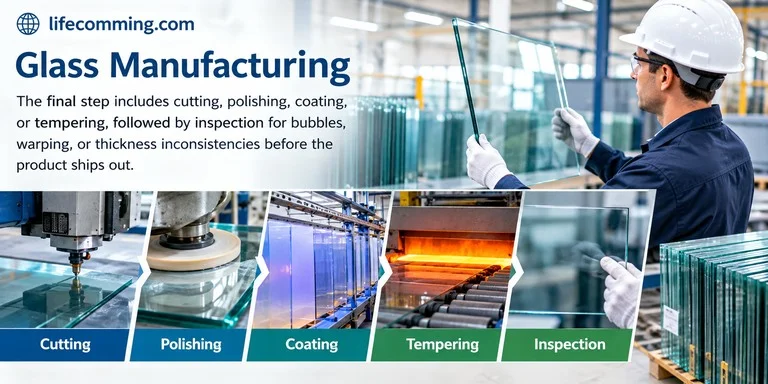
There are four main production methods, and knowing them helps you pick the right product later.
- Acid etching. Glass is dipped in or sprayed with hydrochloric acid, which eats into the surface and creates a permanent, uniform matte finish. This is the classic “frosted glass” you see in older bathroom windows — smooth to the touch, evenly cloudy.
- Sandblasting. High-pressure sand or abrasive media is blasted at the glass surface, physically wearing it down. Sandblasting can be controlled to create patterns, logos, or gradients, not just an all-over frost. It leaves a slightly rougher, grittier texture than acid etching.
- Chemical frosting sprays. A spray-on coating (often silicone- or acrylic-based) mimics the frosted look without touching the glass structurally. This is the die-friendly, renter-friendly route.
- Frosted vinyl film. A adhesive film applied to the glass surface. No etching, no spraying just peel, stick, and smooth out bubbles. This is the most reversible option of the four.
Acid etching and sandblasting are permanent and done at the factory or by a glass professional. Sprays and films are things you can do yourself on an existing window this weekend.
Frosted Glass vs. Similar-Looking Options
People often lump frosted glass in with a few other treatments that look similar but behave differently. Here’s how they actually compare.
| Type | How It Works | Reversible? | Best For |
|---|---|---|---|
| Frosted (etched/sandblasted) glass | Permanent surface texture scatters light | No | Bathrooms, shower doors, permanent installs |
| Frosted window film | Adhesive film mimics the frosted texture | Yes | Renters, offices, temporary privacy |
| Privacy glass (switchable/smart glass) | Electric current changes glass from clear to opaque | Yes, on demand | Conference rooms, high-end homes |
| Textured/rain glass | Glass is pressed with a pattern during manufacturing | No | Decorative doors, room dividers |
| Tinted glass | Color is added to the glass itself | No | Sun control, not privacy |
The mix-up that trips people up most: tinted glass blocks light and glare but doesn’t block your silhouette from being seen up close. Frosted glass does. If privacy is the goal, tint alone won’t cut it.
Where Frosted Glass Actually Works Best
Not every room needs it, and putting it in the wrong spot can make a space feel dim or closed off. Here’s where it earns its keep.
Bathrooms and Shower Doors
This is the classic use, and for good reason. Frosted glass lets a bathroom window stay unblocked by curtains, so you get consistent daylight, while keeping the room private from the street or a shared hallway.
Home Offices and Interior Partitions
Glass partitions look modern, but full transparency can be distracting or make video calls feel exposed. A frosted lower half (sometimes called a “frosted band”) blocks the view of a desk and screen while keeping the room from feeling boxed in.
Front Doors and Entryways
Sidelights and door panels near an entry are a security concern with clear glass anyone can see who’s home and what’s inside. Frosted panels keep the entry bright without turning your front hall into a display case.
Kitchen Cabinets
Frosted cabinet inserts hide the usual clutter (mismatched dishes, cereal boxes) while still letting light bounce around the kitchen. It reads as more finished than solid wood doors on every cabinet.
Conference Rooms and co working Spaces
Businesses use frosted glass, or switchable smart glass, to keep meetings visually private without going back to windowless rooms. It signals “in use” without anyone needing to peek through blinds.
die Frosted Glass: Spray vs. Film vs. Etching Cream
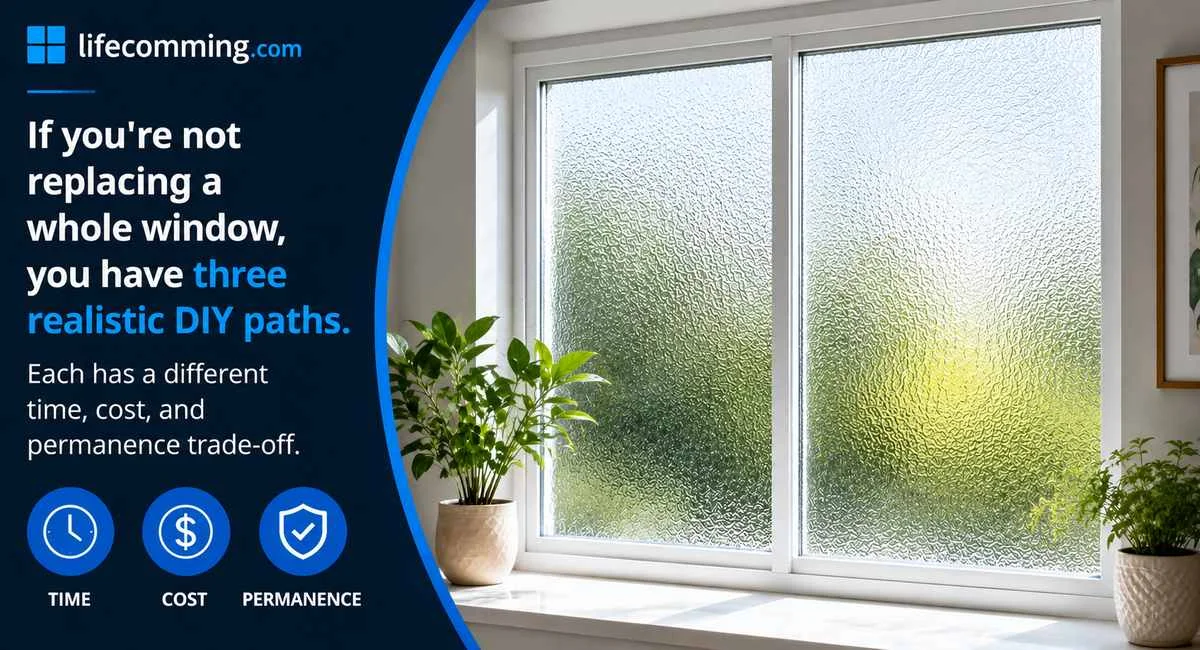
If you’re not replacing a whole window, you have three realistic DIY paths. Each has a different time, cost, and permanence trade-off.
- Frosting spray paint. Cheapest option, dries in under an hour, and covers large areas fast. The downside: it’s the least durable of the three and can show streaks if applied unevenly. Good for a shed window or a one-off project you’re not precious about.
- Adhesive frosted film. The most popular die choice because it looks closest to real etched glass and is fully removable. You can even find patterned or textured film for a more custom look. Application takes patience you’re smoothing out air bubbles with a squeegee but the result holds up for years.
- Glass etching cream. This is a mild acid gel you apply with a brush or stencil, wait a few minutes, then rinse off. It permanently etches the glass, so it’s the die method closest to factory frosting. It’s ideal for smaller projects like a monogram on a mirror or a design on a glass vase, less practical for a full door panel.
Quick tip: whichever method you choose, clean the glass with rubbing alcohol first, not just soap and water. Any leftover residue causes bubbling or uneven texture, and that’s the most common reason die frosting jobs look patchy.
How Much Does Frosted Glass Cost
Costs vary a lot depending on whether you’re buying per-made frosted glass, having existing glass etched, or doing it yourself.
- Die frosted film: roughly $1 to $3 per square foot for the film itself.
- Die frosting spray: around $8 to $15 per can, enough for one to two average windows.
- Professional acid etching or sandblasting: typically $10 to $40 per square foot, depending on whether it’s a plain frost or a custom pattern.
- New per-frosted glass (shower doors, cabinet inserts): often priced as part of the full unit, but expect a 15% to 30% premium over clear glass of the same size.
- Switchable smart glass: the priciest route, often $50 to $100+ per square foot installed, because it includes the electrical components.
If you’re weighing DIY against professional etching, the deciding factor usually isn’t money; it’s permanence. Film and spray can be redone or removed. Etching cannot.
Cleaning and Maintaining Frosted Glass
Frosted glass hides fingerprints better than clear glass, but it’s not maintenance-free. The textured surface actually traps dust, soap scum, and hard water spots more than a smooth pane does.
- Use a microfiber cloth or soft sponge, never an abrasive scrubber; abrasives can wear down the frost unevenly over time and create shiny patches.
- Skip ammonia-based glass cleaners on frosted film; they can degrade the adhesive. A mix of warm water and mild dish soap works fine.
- For etched or sandblasted glass, a soft-bristle brush helps get soap residue out of the fine texture, especially in showers.
- Dry with a lint-free cloth to avoid streak marks settling into the matte surface, where they’re more visible than on clear glass.
A quick weekly wipe-down prevents the buildup that eventually makes frosted glass look gray or dingy instead of crisp white.
Does Frosted Glass Block All Visibility
Not entirely, and this trips a lot of people up. Frosted glass blocks sharp detail; you can’t make out a face or read text through it. But strong contrast, bright backlighting, or a person standing very close to the glass can still create a visible silhouette or shadow.
If total privacy is the goal (say, a ground-floor bathroom window facing a sidewalk), look for a heavier frost level or pair it with a secondary layer like a curtain for nighttime, when interior lights create the most contrast against the glass.
Frosted Glass and Natural Light: What to Expect
Frosted glass typically lets through 80% to 90% of the light that clear glass would, depending on the thickness of the frost. That’s a small trade-off for most rooms, but two things affect it more than people expect:
- Frost density. A light frost keeps more brightness but offers less privacy. A heavy frost blocks more of the view but can make a small room feel dimmer.
- Glass color. Frosted glass with a slight tint (bronze or gray, common in doors) reduces light transmission further than a clear frosted pane.
If a room already struggles for natural light, ask for a lighter frost level rather than skipping frosted glass altogether.
FAQs:
Is frosted glass the same as privacy glass?
Not exactly. Frosted glass is one type of privacy glass. Privacy glass is the broader category that also includes tinted glass, textured glass, and switchable smart glass — all methods of limiting what’s visible through a pane.
Can you see through frosted glass at night with the lights on?
Partially. Bright interior lighting against a dark exterior increases contrast, which can create a visible silhouette even through frosted glass. Dimming lights or adding a secondary curtain solves this for bathrooms and bedrooms.
Does frosted glass reduce natural light in a room?
Yes, slightly. Most frosted glass still lets through 80% to 90% of available light, so rooms stay bright even though the view is obscured.
Can you frost glass yourself without replacing the window?
Yes. Frosted window film and frosting spray both work directly on existing glass and don’t require removing or replacing the pane.
Is frosted glass film removable for renters?
Yes, adhesive frosted film peels off cleanly from most glass surfaces without damage, making it a common choice for apartments and rental homes.
How long does die frosted glass spray last?
Frosting spray typically holds up for one to three years indoors before it starts to show wear, less if it’s exposed to frequent moisture like a shower door.
Does frosted glass need special cleaning products?
No special products are required, but ammonia-based cleaners should be avoided on frosted film, since they can weaken the adhesive over time.
Final Thought:
Frosted glass earns its popularity because it solves a real problem: how to keep a room bright without making it exposed.
Whether you go with a professionally etched shower door, a peel-and-stick film for a rental, or a can of frosting spray for a weekend project, the underlying idea is the same scatter the light, keep the privacy.
Match the method to how permanent you want the result to be, budget a little extra time for cleaning frosted surfaces, and choose your frost density based on how much light the room can spare.
Get those three things right, and frosted glass will do exactly what it promises: privacy that doesn’t come at the cost of daylight.
About the Author