Tinted glass has become a widely favored choice for both residential and commercial spaces.
It offers a practical blend of privacy, comfort, and visual appeal.
It’s created by adding pigments or metallic particles during the manufacturing process.
This gives the glass a subtle, colored appearance.
But this coloring isn’t just for looks it helps absorb and reduce the amount of sunlight and heat entering a building.
The result? A more comfortable indoor environment, reduced glare, and lower strain on air conditioning systems.
Tinted glass also offers an added layer of privacy.
This makes it a popular choice for homes, offices, and vehicles alike.
Beyond functionality, it adds a sleek, sophisticated look to windows, doors, and facades.
Available in various shades from light gray to deep bronze tinted glass allows for customized aesthetics without compromising on performance.
With growing demand for energy-efficient and UV-protective building materials, tinted glass continues to be a preferred solution across residential, commercial, and automotive industries.
What Is Tinted Glass
Tinted glass is glass that’s been darkened or coated to reduce the amount of visible light, heat, and UV radiation passing through it. There are two very different ways to get there, and mixing them up is where most buyers get confused.
- Tinted (body-tinted) glass — the color is mixed directly into the glass during manufacturing. This is common in car windshields and some architectural glass. It’s permanent and can’t be peeled off.
- Window tint film — a thin polyester film applied to the inside surface of existing glass. This is what most people mean when they say “I got my windows tinted.” It’s the option used for car side windows, home windows, and office glass.
Both reduce glare and block some heat, but they’re not interchangeable products, and that distinction matters when you’re shopping.
The Main Types of Tinted Glass
Dyed Window Film
A layer of dye sits between adhesive and protective coating. It’s the most affordable option and gives a flat, dark appearance. The tradeoff: dye fades over time and doesn’t block heat as well as other types.
Metalized Film
Tiny metal particles reflect heat and light before they pass through the glass. It’s tougher and blocks more heat than dyed film, but it can interfere with radio, GPS, and cell signals a real annoyance for rideshare drivers or anyone who relies on in-car navigation.
Carbon Film
Carbon particles block up to 40% of infrared light without the signal interference of metalized film. It has a matte, non-reflective finish that many people find more attractive, and it doesn’t fade the way dyed film does.
Ceramic Film
The premium option. Ceramic film uses nano-ceramic particles instead of dye or metal, blocking the most heat and UV rays while staying completely non-reflective and signal-friendly. It costs more, but it’s the closest thing to a “buy once” tint.
Factory-Tinted (Body-Tinted) Glass
Some vehicles and buildings come with glass that’s tinted during manufacturing, using pigments mixed into the molten glass. This is common on rear windows, sunroofs, and privacy glass on SUVs and minivans it’s why the back windows on some vehicles look darker than the fronts even with no aftermarket film.
| Type | Heat Rejection | Signal Interference | Typical Lifespan | Relative Cost |
|---|---|---|---|---|
| Dyed | Low | None | 2–5 years | $ |
| Metalized | Medium-High | Yes | 5–10 years | $$ |
| Carbon | High | None | 10+ years | $$$ |
| Ceramic | Highest | None | Lifetime | $$$$ |
Why Tinted Glass Matters
Tint isn’t just cosmetic. It solves specific, measurable problems.
- Heat control. Ceramic and carbon films can block up to 99% of UV rays and a significant share of infrared heat, which is why a tinted car interior stays noticeably cooler in direct sun.
- UV protection for skin and interiors. Untreated glass blocks very little UVA radiation the kind linked to skin aging and long-term sun damage. Quality tint blocks nearly all of it, protecting both you and your upholstery, flooring, or furniture from fading.
- Glare reduction. Less bounced sunlight means less eye strain while driving and fewer squinty afternoons at your desk near a window.
- Privacy and security. Darker glass makes it harder for people to see inside a parked car or ground-floor room, and shatter-resistant film can hold broken glass together after impact.
- Energy savings at home. Window film can lower a home’s cooling costs by reducing how much solar heat gets in during summer, easing the load on air conditioning.
- 😂 Tinted Glass: “Tinted glass is so cool, even the sunlight knocks on the window and asks, ‘Bro, is this a VIP-only zone?’” 😎🕶️😂
When Should You Get Glass Tinted
Timing depends on what you’re solving for:
- New car purchase — many owners tint within the first few weeks, before daily use starts baking the interior.
- Moving into a west- or south-facing home — rooms that get intense afternoon sun are the first candidates for film.
- Fading furniture or flooring — if you’re noticing sun-bleached fabric or wood, that’s a sign UV exposure is a problem worth solving.
- Before summer, not during it — installers get booked solid in peak heat season; scheduling in spring avoids the wait and the highest demand pricing.
- After a cracked or shattered window — if you’re already replacing glass, it’s the cheapest time to add security film.
How Much Does Tinted Glass Cost
Pricing depends on film quality, vehicle or window size, and labor rates in your area.
Car window tinting:
- Dyed film: roughly $100–$200 for a full vehicle
- Carbon film: roughly $250–$450
- Ceramic film: roughly $400–$800+
Home and office window film:
- Typically priced per square foot, ranging from about $5 to $15 per square foot installed, depending on film grade.
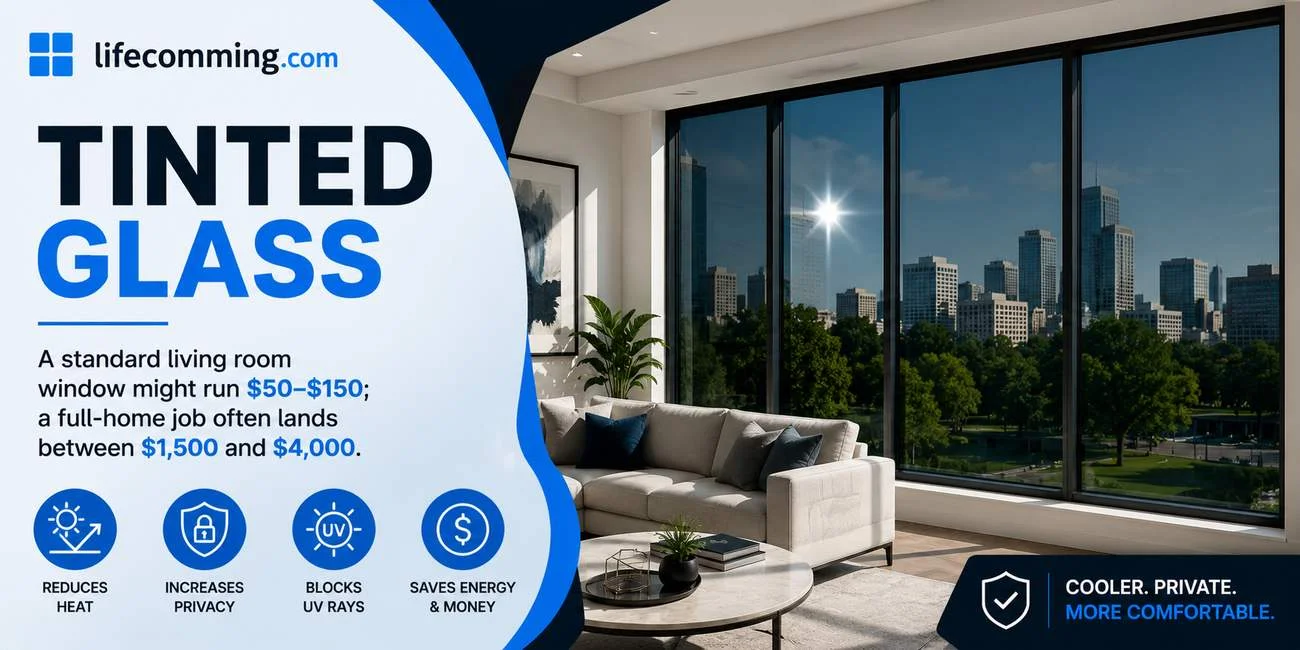
- A standard living room window might run $50–$150; a full-home job often lands between $1,500 and $4,000.
Cheaper isn’t always a bargain here. Low-cost dyed film often needs replacing within a few years, while ceramic film despite the higher upfront cost can outlast the vehicle or the home’s next renovation.
Tinted Glass Laws: What’s Actually Legal
This is the single most-searched question about car tint, and the answer is: it depends entirely on your state. Laws are written around VLT Visible Light Transmission which measures the percentage of light allowed through the glass. A lower VLT number means darker tint.
How VLT works:
- 5% VLT = very dark, almost no light passes through (illegal for front windows almost everywhere)
- 35% VLT = medium tint, a common legal limit for front side windows
- 70% VLT = light tint, close to untreated glass
General patterns across most states:
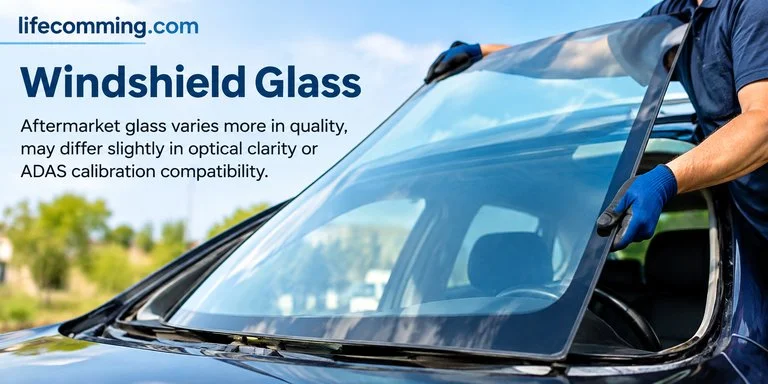
- Windshields usually only allow a narrow tinted strip along the top edge, or no aftermarket tint at all below the manufacturer’s shade band.
- Front side windows typically require more light transmission than rear windows or the back windshield.
- Many states allow darker rear windows and back windshields, especially if the vehicle has functioning side mirrors.
- Medical exemptions exist in most states for people with light-sensitivity conditions, but usually require documentation.
Because limits vary by state and some cities add their own rules always check your specific state DMV or Department of Public Safety website before installing tint. Getting pulled over for illegal tint is a common, avoidable ticket.
DIY Tint vs. Professional Installation
DIY kits are cheap and widely available, but they come with real risks:
- Bubbles and peeling are common on a first attempt
- Curved rear windows are notoriously hard to do without professional tools
- Mistakes usually mean buying a second kit, doubling the cost you were trying to save
Professional installation costs more upfront but includes:
- Precision-cut film matched to your exact window shape
- Manufacturer warranties, often 5–10 years
- Correct application that avoids bubbling, peeling, or uneven color
For a bumper sticker, DIY makes sense. For an entire vehicle or home, professional installation almost always pays for itself in fewer redo costs.
Tinted Glass for Homes vs. Cars: Key Differences
| Factor | Car Tint | Home Window Film |
|---|---|---|
| Regulated by | State vehicle tint laws | Mostly unregulated (HOA rules may apply) |
| Primary goal | Privacy, heat, UV, glare | Energy savings, UV, glare, security |
| Installation surface | Curved glass | Mostly flat glass |
| Typical lifespan | 5–15 years | 10–20 years |
| Removability | Can be removed and replaced | Can be removed and replaced |
FAQs:
What is the darkest legal tint you can get?
It depends on the state and the window. Many states cap front side windows around 35% VLT, while rear windows can often go darker. Always verify your state’s exact limit before installing.
Does tinted glass reduce heat inside a car?
Yes. Quality tint film, especially ceramic and carbon types, can block a large share of infrared heat and nearly all UV rays, noticeably lowering interior temperature on sunny days.
How long does window tint last?
Dyed film typically lasts 2–5 years before fading. Carbon film holds up 10+ years, and ceramic film is often rated for the life of the vehicle or building.
Can you see through tinted glass at night?
Yes, though visibility is somewhat reduced. Lighter tints (50% VLT and above) have minimal impact on nighttime visibility, while very dark tints can make it harder to see clearly after dark — one reason many states set stricter limits on front windows.
Is tinted glass the same as privacy glass?
Not exactly. Privacy glass usually refers to factory-tinted glass built into the vehicle during manufacturing, while tinted glass often refers to aftermarket film applied later. Both reduce visibility into the vehicle, but they’re produced differently.
Does tint film block Wi-Fi or phone signal?
Metalized film can interfere with radio, GPS, and cell signals because of its metal content. Dyed, carbon, and ceramic films don’t have this issue.
Can you tint a windshield?
In most states, only a strip along the top of the windshield can be tinted. Full windshield tint is illegal almost everywhere because it reduces visibility too much for safe driving.
Final Thought:
Tinted glass isn’t a single product — it’s a category with real tradeoffs between cost, durability, heat rejection, and legality. If you want a quick cosmetic fix, dyed film is fine. If you want something that actually lasts and performs, carbon or ceramic film is worth the extra cost. And no matter which you choose for a vehicle, check your state’s VLT limits before you book an appointment — it’s the one detail that turns a good investment into a costly ticket.
About the Author